
- By: admin
- Category: Commercial Floor Cleaning Machines
- 0 comment
In today’s fast-paced commercial environment, the link between hygiene and productivity is more critical than ever. A clean workplace not only fosters a healthier atmosphere but also enhances employee efficiency. Research has consistently shown that a well-maintained environment can lead to increased focus and reduced distractions, allowing employees to perform at their best.
For instance, a study conducted by the University of Exeter found that employees in clean offices were 15% more productive than those in less tidy surroundings. This statistic underscores the importance of maintaining high hygiene standards in commercial and industrial settings. Moreover, the relationship between hygiene and productivity extends beyond mere aesthetics.
A clean workspace can significantly reduce the spread of germs and illnesses, which in turn minimises absenteeism. When employees are less likely to fall ill, they can dedicate more time to their tasks, ultimately benefiting the organisation’s bottom line. Therefore, investing in effective cleaning practices is not just about maintaining appearances; it is a strategic move that can enhance overall productivity. Check out the Best Commercial Floor Scrubbers for your business needs.
Summary
- Good hygiene can lead to increased productivity in the workplace.
- Cleanliness can have a positive impact on employee morale and satisfaction.
- Upgraded cleaning equipment can significantly improve hygiene standards.
- Proper cleaning equipment plays a crucial role in preventing the spread of illness.
- Poor hygiene in the workplace can result in significant costs and productivity losses.
The Impact of Cleanliness on Employee Morale
Cleanliness plays a pivotal role in shaping employee morale. When workers enter a tidy and well-organised environment, they are more likely to feel valued and respected by their employer. This sense of appreciation can lead to higher job satisfaction and a more positive workplace culture.
For example, consider a manufacturing facility where employees are surrounded by clutter and grime; such an environment can foster feelings of neglect and dissatisfaction. In contrast, a clean and orderly workspace can inspire pride and motivation among staff. Furthermore, the psychological effects of cleanliness cannot be overlooked.
A clean environment can reduce stress levels and promote mental well-being, which is essential for maintaining high morale. Employees who feel comfortable and content in their surroundings are more likely to collaborate effectively and contribute positively to team dynamics. Therefore, prioritising cleanliness is not merely a matter of hygiene; it is an investment in the workforce’s emotional and psychological health.
How Upgraded Cleaning Equipment Can Improve Hygiene
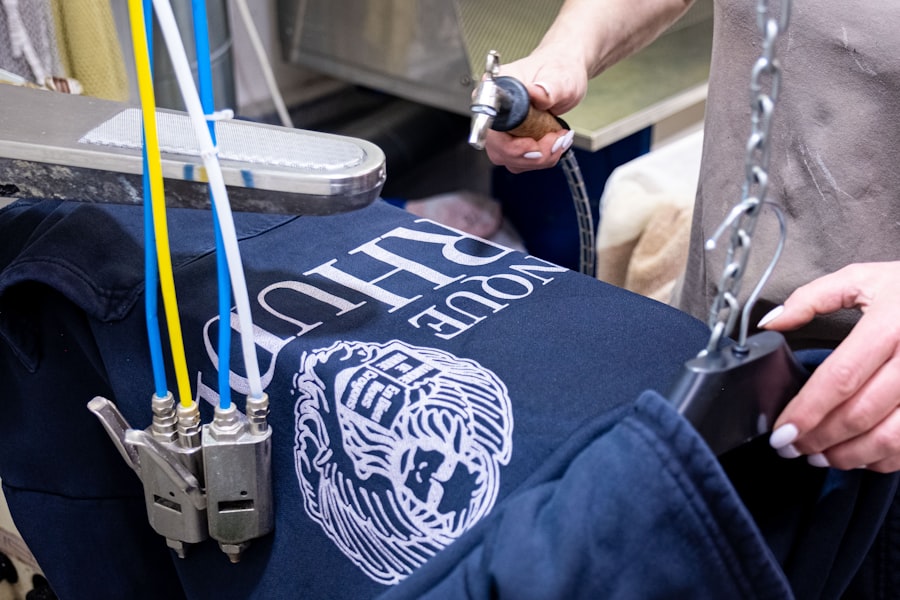
Upgrading cleaning equipment is a crucial step towards enhancing hygiene standards in any commercial or industrial setting. Modern cleaning technologies, such as high-efficiency particulate air (HEPA) filters and advanced floor scrubbers, are designed to remove dirt, dust, and allergens more effectively than traditional methods. For instance, using a vacuum cleaner equipped with HEPA filters can significantly reduce airborne particles, creating a healthier environment for employees.
Additionally, upgraded equipment often comes with features that streamline the cleaning process. For example, robotic floor cleaners can autonomously navigate large spaces, ensuring consistent cleanliness without requiring extensive manual labour. This not only improves hygiene but also allows cleaning staff to focus on more complex tasks that require human intervention.
By investing in advanced cleaning equipment, organisations can achieve higher hygiene standards while optimising their cleaning operations.
The Role of Cleaning Equipment in Preventing Illness
The role of cleaning equipment in preventing illness cannot be overstated, particularly in environments where large groups of people congregate. Effective cleaning tools are essential for eliminating pathogens that can lead to outbreaks of illness. For instance, in healthcare facilities, the use of disinfectant sprayers and UV-C light technology has been shown to significantly reduce the presence of harmful bacteria and viruses on surfaces.
Moreover, regular maintenance of cleaning equipment is vital for ensuring its effectiveness. Equipment that is not properly maintained may fail to perform as intended, leaving surfaces vulnerable to contamination. For example, a malfunctioning disinfectant sprayer may not distribute the cleaning solution evenly, resulting in areas that remain uncleaned.
By prioritising the use of reliable cleaning equipment and ensuring it is well-maintained, organisations can create safer environments that minimise the risk of illness among employees.
The Cost of Poor Hygiene in the Workplace
The financial implications of poor hygiene in the workplace can be staggering. When cleanliness is neglected, organisations may face increased absenteeism due to illness, which directly impacts productivity and profitability. According to a report by the Centre for Disease Control and Prevention (CDC), businesses lose approximately $225 billion annually due to lost productivity from employee illness.
This figure highlights the importance of maintaining high hygiene standards as a means of safeguarding both employee health and organisational performance. Additionally, poor hygiene can lead to reputational damage for businesses. Clients and customers are increasingly aware of hygiene practices, especially in industries such as food service and healthcare.
A single incident of illness linked to inadequate cleanliness can tarnish a company’s reputation and result in lost business opportunities. Therefore, investing in proper cleaning protocols is not just a matter of compliance; it is essential for protecting the organisation’s image and financial stability.
The Benefits of Investing in High-Quality Cleaning Equipment
Investing in high-quality cleaning equipment offers numerous benefits that extend beyond mere hygiene improvements. Firstly, durable equipment tends to have a longer lifespan, reducing the need for frequent replacements and repairs. This longevity translates into cost savings over time, making it a wise financial decision for organisations looking to optimise their cleaning budgets.
Moreover, high-quality equipment often comes with advanced features that enhance efficiency and effectiveness. For instance, commercial-grade floor scrubbers may include automatic chemical dispensing systems that ensure optimal cleaning solutions are used without waste. This not only improves cleaning outcomes but also contributes to sustainability efforts by reducing chemical usage.
By prioritising quality in their cleaning equipment choices, organisations can achieve better results while also being environmentally responsible.
How Upgraded Cleaning Equipment Can Save Time and Effort
One of the most significant advantages of upgraded cleaning equipment is its ability to save time and effort for cleaning staff. Traditional cleaning methods often require extensive manual labour and time-consuming processes that can hinder productivity. In contrast, modern equipment is designed with efficiency in mind, allowing for quicker and more effective cleaning.
For example, consider the use of ride-on scrubbers in large warehouse settings. These machines enable operators to clean vast areas in a fraction of the time it would take using conventional mops or manual scrubbers. This time-saving capability allows cleaning staff to focus on other essential tasks or even take on additional responsibilities within the organisation.
By streamlining cleaning processes through upgraded equipment, businesses can maximise their resources while maintaining high hygiene standards.
The Environmental Impact of Upgraded Cleaning Equipment
In an era where sustainability is at the forefront of business practices, the environmental impact of upgraded cleaning equipment cannot be ignored. Many modern cleaning solutions are designed with eco-friendliness in mind, utilising biodegradable chemicals and energy-efficient technologies that minimise environmental harm. For instance, some advanced floor cleaners use less water while still achieving superior results compared to traditional methods.
Furthermore, investing in energy-efficient equipment can lead to significant reductions in energy consumption over time. This not only benefits the environment but also contributes to lower operational costs for businesses. By prioritising environmentally friendly cleaning practices through upgraded equipment, organisations can demonstrate their commitment to sustainability while also reaping financial rewards.
The Importance of Regular Maintenance for Cleaning Equipment
Regular maintenance of cleaning equipment is essential for ensuring optimal performance and longevity. Neglecting maintenance can lead to decreased efficiency and increased wear and tear on machines, ultimately resulting in higher replacement costs. For instance, failing to clean filters or replace worn-out parts can hinder a vacuum cleaner’s suction power, rendering it less effective at removing dirt and allergens from surfaces.
Moreover, regular maintenance helps identify potential issues before they escalate into costly repairs or replacements. By implementing a proactive maintenance schedule, organisations can ensure their cleaning equipment operates at peak performance levels while minimising downtime. This approach not only enhances hygiene standards but also maximises the return on investment for cleaning equipment purchases.
Choosing the Right Cleaning Equipment for Your Workplace
Selecting the right cleaning equipment for your workplace requires careful consideration of various factors, including the specific needs of your environment and the types of surfaces that require cleaning. For instance, an office setting may benefit from lightweight vacuums with HEPA filters for improved air quality, while a manufacturing facility may require robust floor scrubbers capable of handling heavy-duty grime. Additionally, it is essential to consider the size of your space and the frequency of cleaning required when choosing equipment.
Investing in machines that are appropriately sized for your environment ensures efficiency and effectiveness during cleaning operations. Consulting with industry experts or suppliers can provide valuable insights into selecting the best equipment tailored to your unique requirements.
The Long-Term ROI of Upgrading Your Cleaning Equipment
The long-term return on investment (ROI) associated with upgrading cleaning equipment is substantial when considering both financial savings and enhanced workplace conditions. While initial costs may seem daunting, the benefits gained from improved hygiene standards, increased employee productivity, and reduced absenteeism far outweigh these expenses over time. Moreover, high-quality equipment often leads to lower operational costs due to increased efficiency and reduced chemical usage.
As businesses continue to prioritise cleanliness in an increasingly competitive landscape, investing in upgraded cleaning equipment becomes not just a necessity but a strategic advantage that pays dividends in employee satisfaction and overall organisational success. In conclusion, maintaining high hygiene standards through upgraded cleaning equipment is essential for fostering productivity, employee morale, and overall workplace health. By recognising the value of cleanliness and investing wisely in modern solutions, organisations can create environments that support their workforce while also safeguarding their bottom line.
**FAQ Section** 1. **What types of upgraded cleaning equipment should I consider for my workplace?**
Consider your specific needs; options include HEPA-filter vacuums for air quality improvement or ride-on scrubbers for large floor areas. 2.
**How often should I maintain my cleaning equipment?**
Regular maintenance schedules should be established based on usage frequency; typically every few months or as recommended by manufacturers. 3. **Can upgrading my cleaning equipment really save money?**
Yes!
While there may be initial costs involved, improved efficiency often leads to long-term savings through reduced labour costs and lower chemical usage. 4. **What impact does cleanliness have on employee retention?**
A clean workplace contributes positively to employee morale and satisfaction, which can enhance retention rates over time.
5. **How do I choose between different brands of cleaning equipment?**
Research customer reviews, consult industry experts, and consider warranties or service agreements when evaluating different brands for your needs.
FAQs
What is the importance of hygiene in the workplace?
Maintaining a clean and hygienic workplace is crucial for the health and well-being of employees. It helps to prevent the spread of germs and illnesses, reduces absenteeism, and creates a more pleasant and productive work environment.
How does cleanliness impact productivity in the workplace?
A clean and well-maintained workplace can have a positive impact on productivity. It can improve employee morale, reduce distractions, and create a more professional and inviting atmosphere, ultimately leading to increased productivity.
Why is it important to upgrade cleaning equipment in the workplace?
Upgrading cleaning equipment can lead to more efficient and effective cleaning processes. Newer equipment may offer improved performance, reduced maintenance requirements, and enhanced safety features, ultimately contributing to a cleaner and healthier work environment.
What are some examples of cleaning equipment that can be upgraded in the workplace?
Examples of cleaning equipment that can be upgraded in the workplace include vacuum cleaners, floor scrubbers, pressure washers, and steam cleaners. Upgrading to newer models with advanced features can help to improve cleaning efficiency and effectiveness.
How can investing in better cleaning equipment benefit a business?
Investing in better cleaning equipment can benefit a business in several ways. It can lead to cost savings through improved efficiency and reduced maintenance, contribute to a healthier and safer work environment, and enhance the overall image and reputation of the business.
